Carpentry Services Southampton
Carpenter and joiner. Wood window repairs, fitting doors, traditional joinery
Archives
New Storage
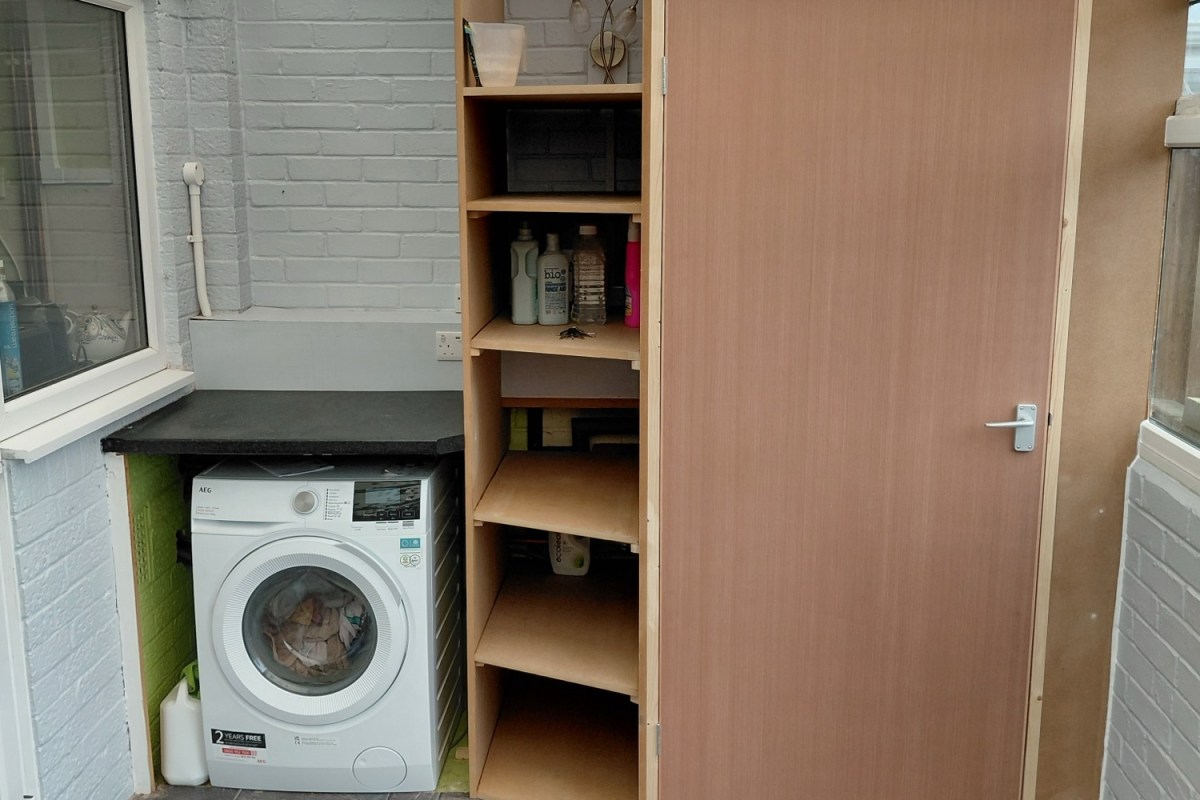
Having had a heat pump fitted the resultant tank and pipe work now needed boxing in with a useful shelf unit and a ply flush door serving as access to the tank and pipework behind.
Read MoreTransforming a Southampton Property for Rental Success
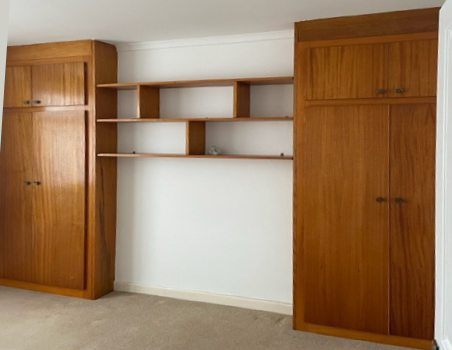
A Southampton project transformed a property for rental to fund a client’s mother’s care. Key updates included removing hazardous polystyrene tiles, re-plastering, painting, staircase safety enhancements, and replacing internal doors. The comprehensive refurbishment improved aesthetics and safety, preparing the property for rental and ensuring vital income for care fees.
Read MoreTransparent wood finishes

The Rise of Transparent Wood Finishes and Imitation Hardwoods: Importance of Testing: Dyes and Wood Stains: Varnishes: Polishes (Traditional Internal Furniture Finishes): Oils: Two-Part Coatings: This detailed information provides a solid foundation for understanding the various options available for enhancing…
Read MoreUnderstanding Gloss Paints for Woodwork

Traditionally, gloss paints have been oil-based, incorporating resins to achieve a hard-wearing and durable finish. While some excellent oil (solvent) based gloss paints remain available, the market now also offers high-performing water-based alternatives. Exploring Emulsion Paints for Interior Surfaces Modern…
Read MoreBasic essentials for a good finish on the redecoration of a room (Part5)
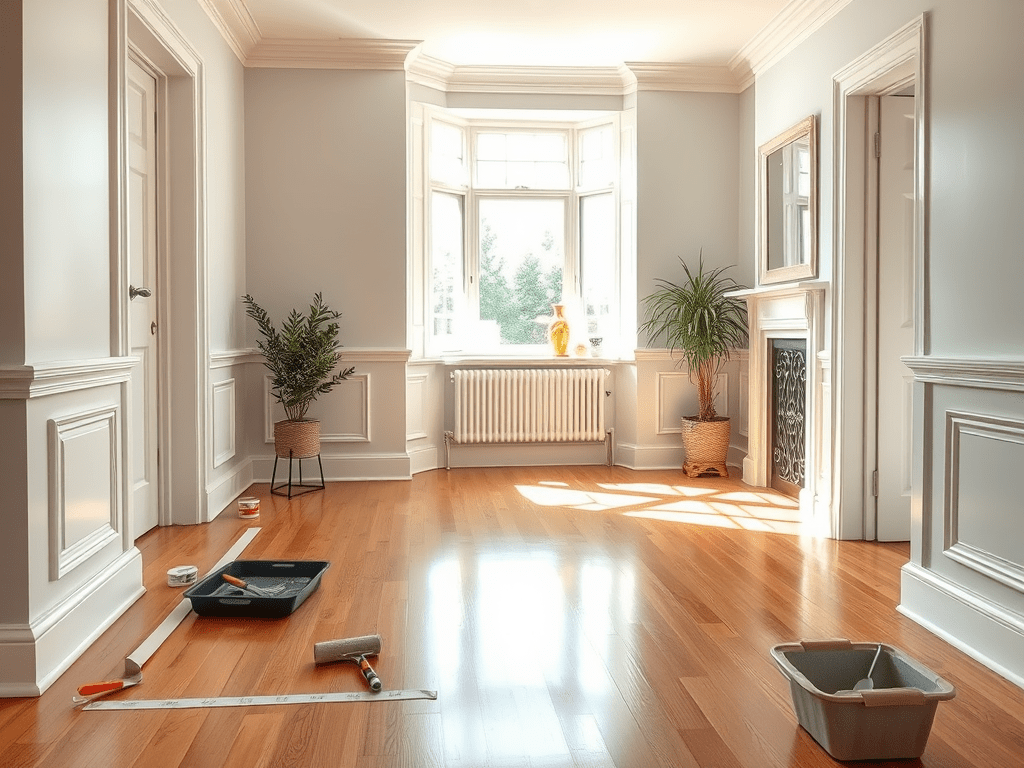
The content describes the process of painting woodwork, emphasizing essential steps such as cleaning rollers, choosing paint, and preparing surfaces. It outlines the application of an oil-based undercoat followed by sanding and applying a gloss topcoat. Techniques like masking edges and “laying off” paint are also highlighted for a professional finish.
Read MoreBasic essentials for a good finish on the redecoration of a room (Part4)
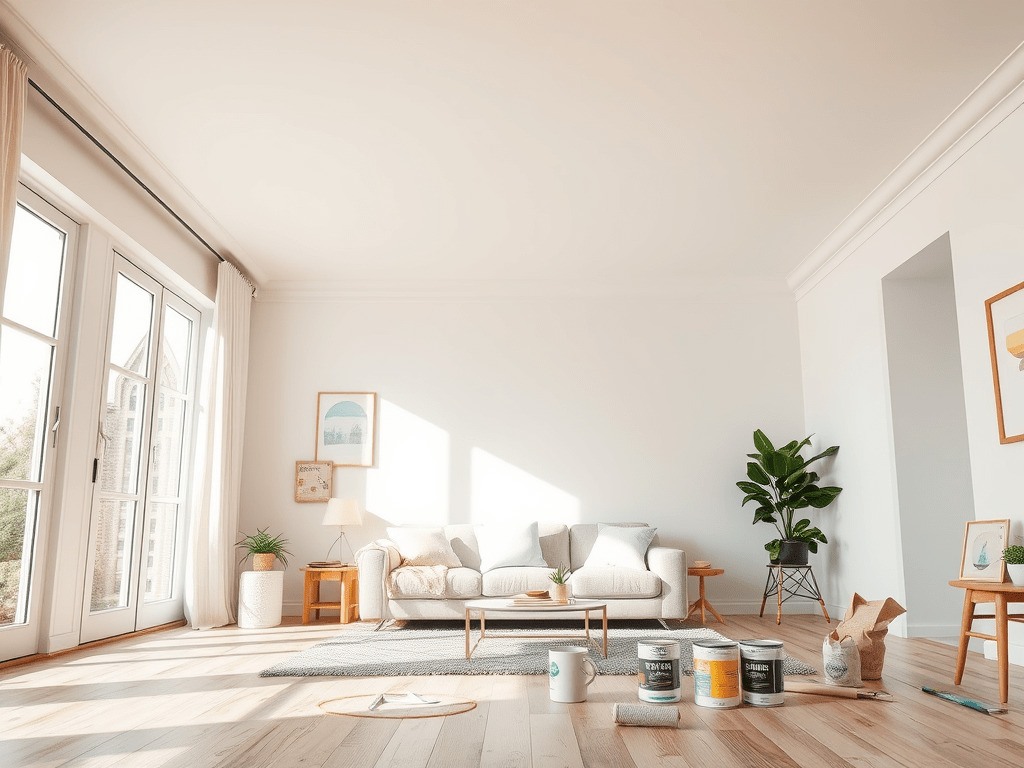
Step 4 focuses on applying paint to walls after preparing and painting the ceiling. Start with a thin coat for filled areas, then carefully paint reveals, edges, and around fixtures. Use a roller with an “W” or “M” motion for main areas, ensuring even coverage. Assess the need for a second coat before final touches.
Read MoreBasic essentials for a good finish on the redecoration of a room (Part3)
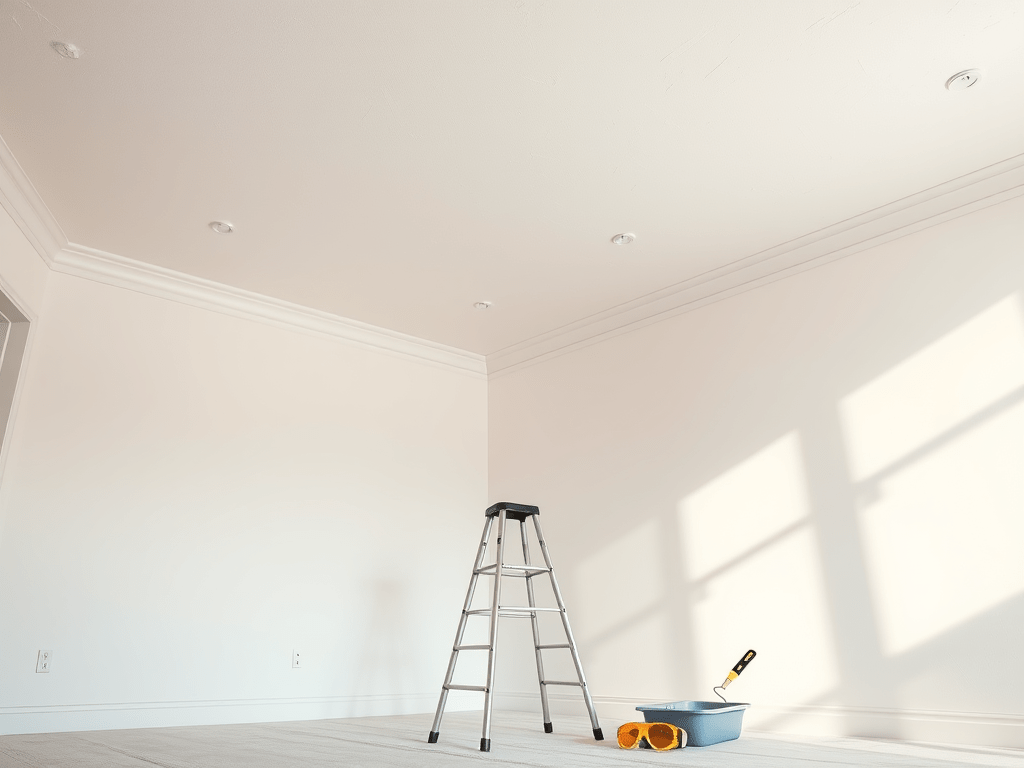
This guide outlines the essentials and techniques for painting a ceiling. Key tools include a roller, paint, brush, and goggles. Start by cutting in edges, then use a roller for the main area, applying paint in manageable sections and laying off for a smooth finish. Assess for a second coat if necessary.
Read MoreBasic essentials for a good finish on the redecoration of a room (Part2)
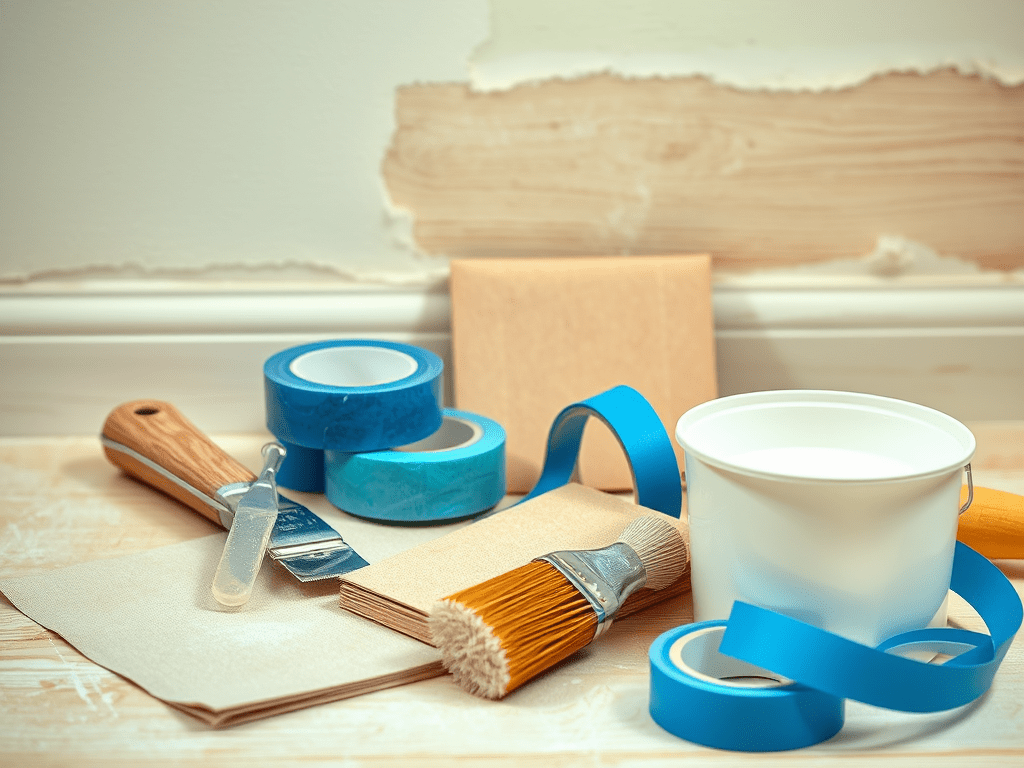
Step 2: Laying the Groundwork for a Smooth Finish – Preparing Surfaces With your room safely protected, it’s time to turn our attention to the surfaces themselves. Proper preparation of the walls, ceiling, and woodwork is paramount for a flawless…
Read MoreBasic essentials for a good finish on the redecoration of a room (Part1)
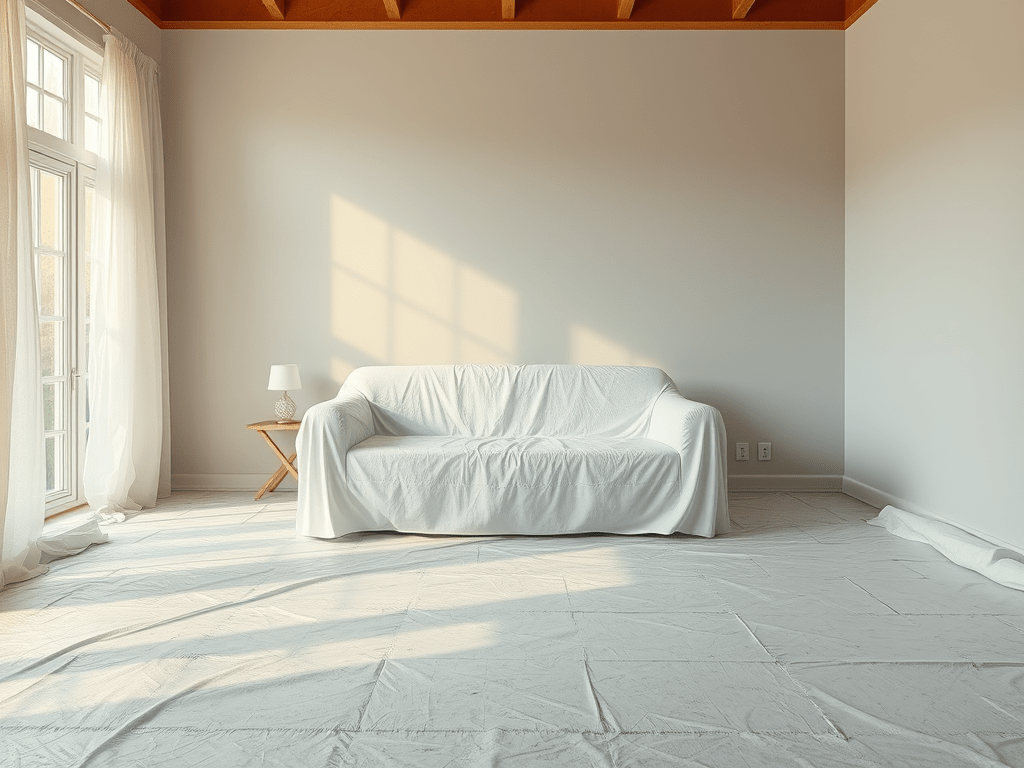
A successful paint job relies on proper preparation before applying any color. Essential steps include protecting your space by covering floors and furniture with plastic sheeting and cotton dust sheets to prevent spills. This groundwork is vital for ensuring a high-quality finish and the longevity of your redecoration efforts.
Read MoreCreaking stair case
Stiffening a stair case in lords wood Southampton. This stair case in a property in lordswood, Southampton had become springy and was creaking, the glue originally used had degraded and the wedges were loose, the joining of the treads to …
Read MoreHand rail in Southampton
Hardwood mopstick handrail with brass brackets. None of us are getting younger! Fitting a handrail to supliment the main handrail is a good idea if you, or some one you know is finding it a little tougher getting up and…
Read MoreFour panel internal door
Four panel clear pine internal door fitted with a Rim Lock and knobs. Rim locks make an atractive and functional addition to internal doors not seen so much now they were very common in victorian houses.
Read MorePorch replacement
The replacement of two posts to a porch showing the proping up of the canopy during relacement and the use of Hardwood pegs to prevent slip of the joint.
Read MoreFitted Floor-to-ceiling Wardrobes
Here is an example of hand-made and fitted floor-to-ceiling wardrobes in a early victorian house. The doors are manufactured using MDF panels and joinery grade pine. The panels are then painted to suit the décor in the room and the…
Read MoreReplacement Front Door with Side Lights
Here are two side lights, manufactured then installed into a brick arch, with a replacement front door.
Read MoreRepairs to a Porch in Southampton
This image shows the repair and replacement of the bottom portion of a supporting post to a porch. The method used is a 45 degree scarf with a timber key machined through to prevent slip of the joint in years…
Read MoreChanging Your Internal or External Doors
Changing your interior doors will have an immediate impact on the ambiance of your home. Hallways or landings may well be more door than wall for example, where there can be up to six doors in a relatively close space….
Read More












 Carpentry Services Southampton