Carpentry Services Southampton
Carpenter and joiner. Wood window repairs, fitting doors, traditional joinery

Archives
How to Preserve Wooden Windows for Generations
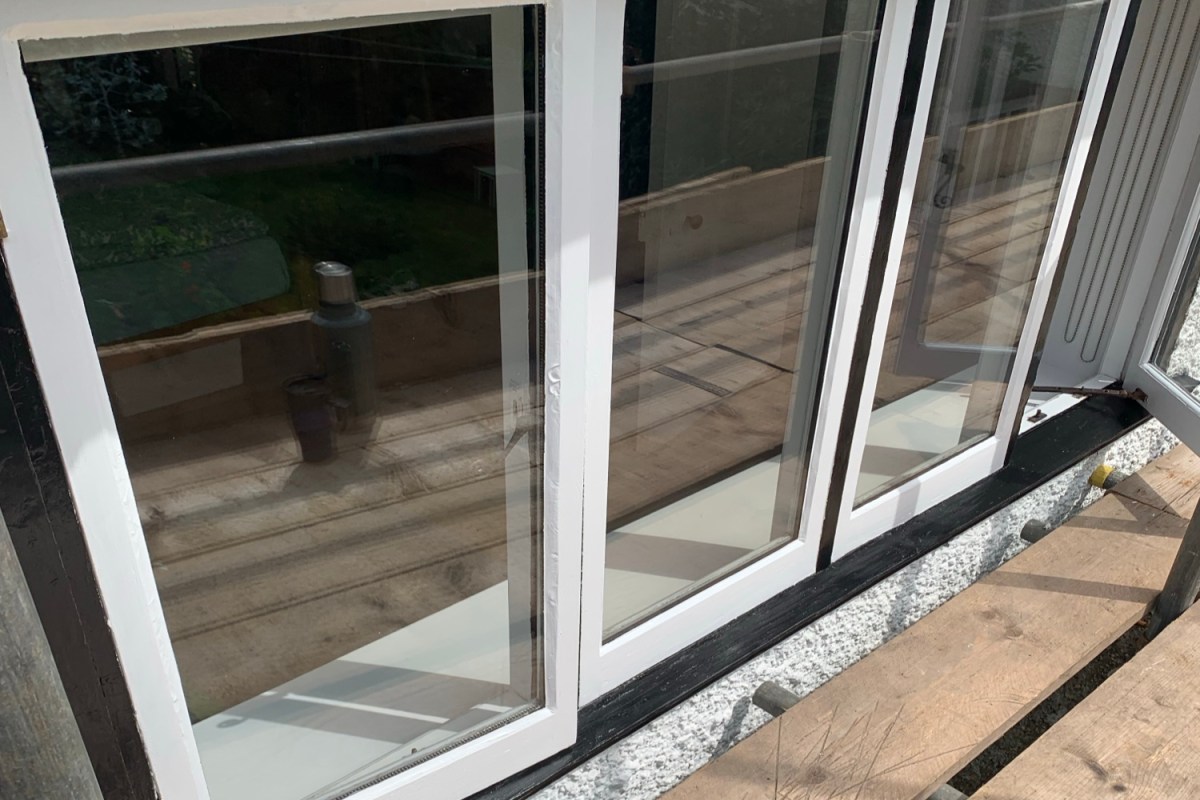
Regular maintenance is essential for preserving wooden windows. A thorough check every seven years, along with biennial visual inspections, helps prevent issues like rot from cracked putty. Using durable, oil-based paint with UV protection is vital, especially in exposed locations, ensuring these windows remain functional and beautiful for generations.
Read MoreHow to Brighten Up Your Conservatory with Effective Refurbishment
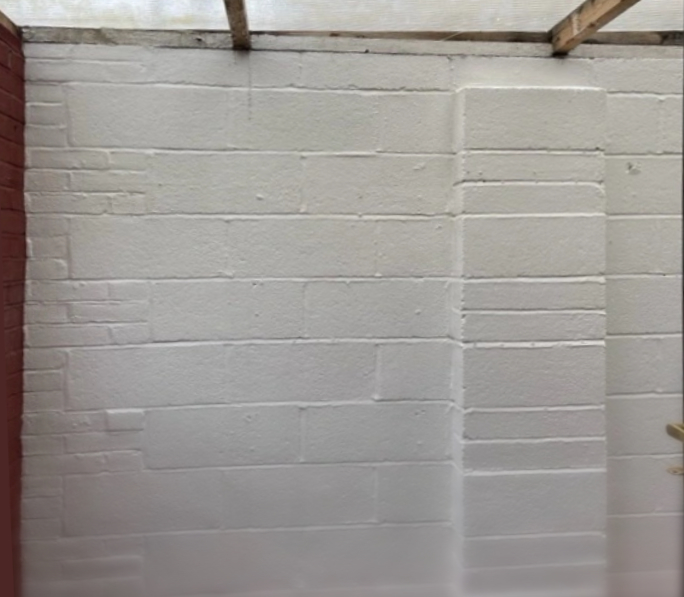
The conservatory in a rental property underwent a significant refurbishment, enhancing its appeal. After clearing out unnecessary items and cleaning, it was painted with two coats of white, turning it from a “frightening” area into a brighter and more inviting space. Unusable shelving was also removed for further improvement.
Read MoreTransforming a Southampton Property for Rental Success
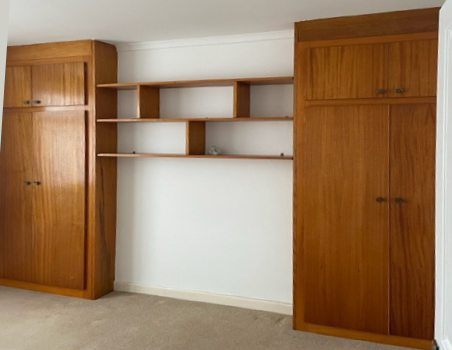
A Southampton project transformed a property for rental to fund a client’s mother’s care. Key updates included removing hazardous polystyrene tiles, re-plastering, painting, staircase safety enhancements, and replacing internal doors. The comprehensive refurbishment improved aesthetics and safety, preparing the property for rental and ensuring vital income for care fees.
Read MoreExpert Tips for Painting Older windows: Southampton Case Study
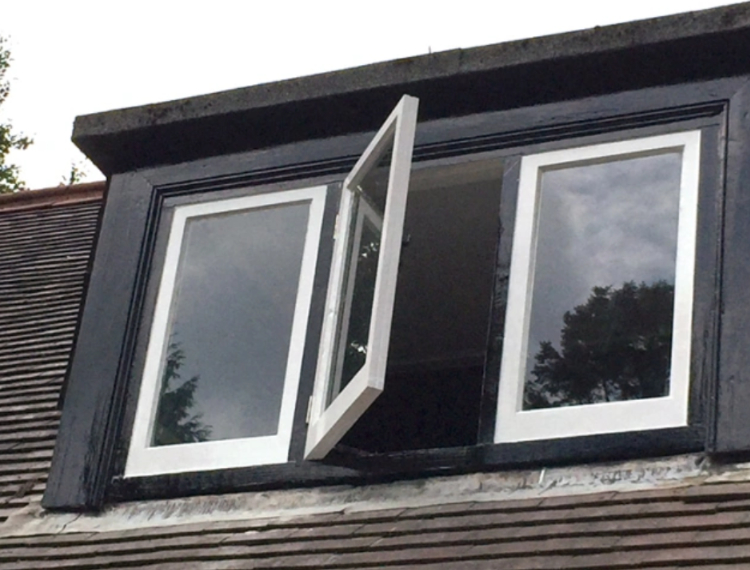
This window on an older Southampton building underwent a meticulous preparation process due to its condition. It was then treated with a carefully applied undercoat, using grey for the designated black areas and a full white undercoat for the sashes….
Read MoreTransforming a Southampton Hall in Southampton
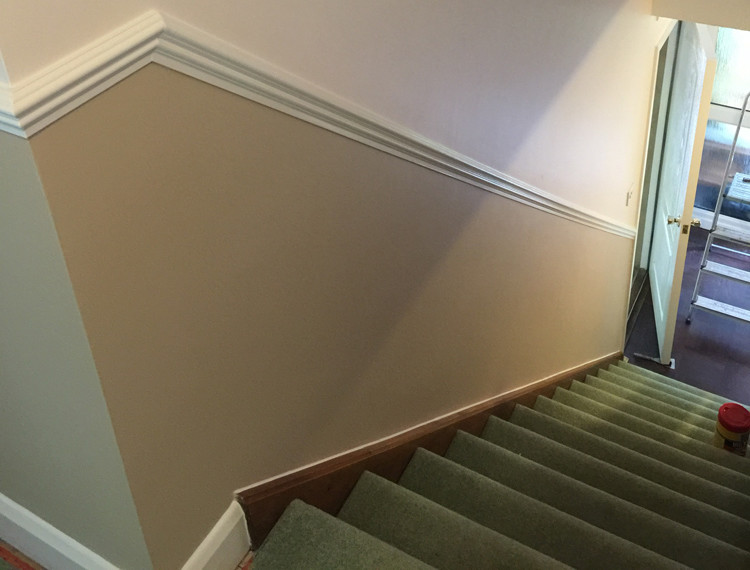
The Southampton hall, spanning three levels, was meticulously prepped for painting. Wallpaper was stripped, walls smoothed with Gyproc filler, and radiators removed for skirting access. Ceiling and walls were painted with emulsion, and newly finished woodwork and refitted radiators were completed in clean white satin for a polished look.
Read MorePainting a Bedroom with Soft Neutral Tones
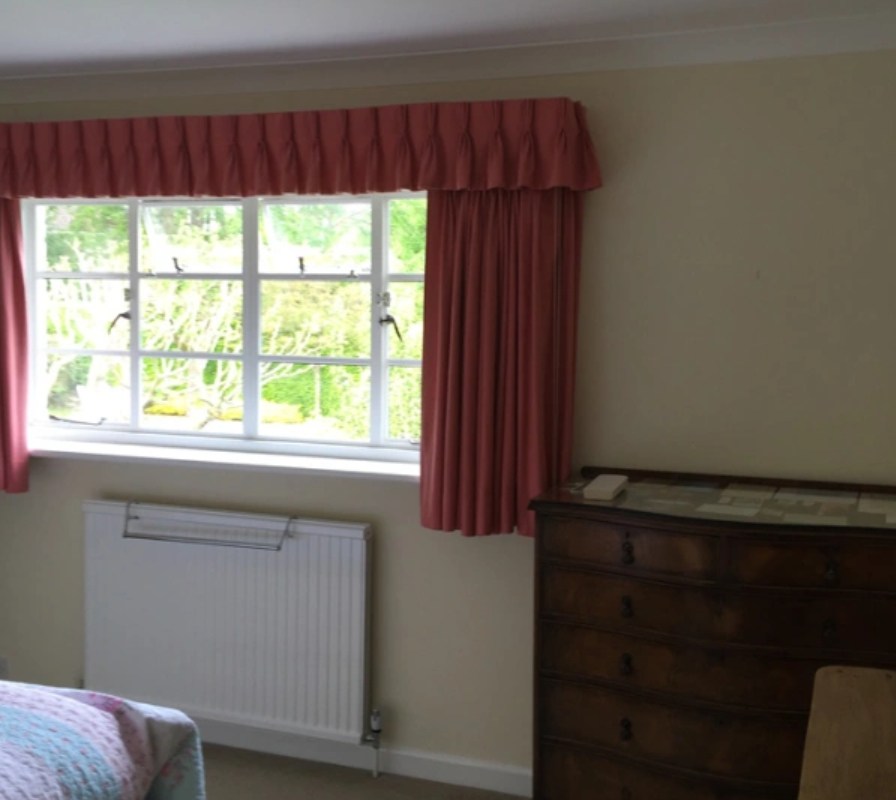
This Southampton bedroom has been transformed through a refurbishment, embracing a calming atmosphere with the application of soft neutral tones to all surfaces.
Read MoreWindows repainted in Southampton
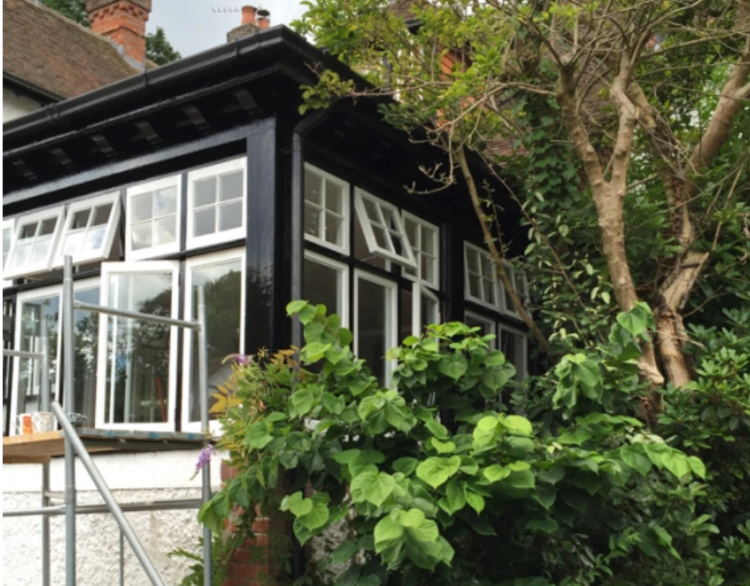
Restoring the numerous large windows on this older Southampton residence was a key and demanding aspect of its complete refurbishment. The windows were in terrible condition, necessitating considerable time and effort to bring them up to standard and in line…
Read MoreBedroom refurbishment in Southampton
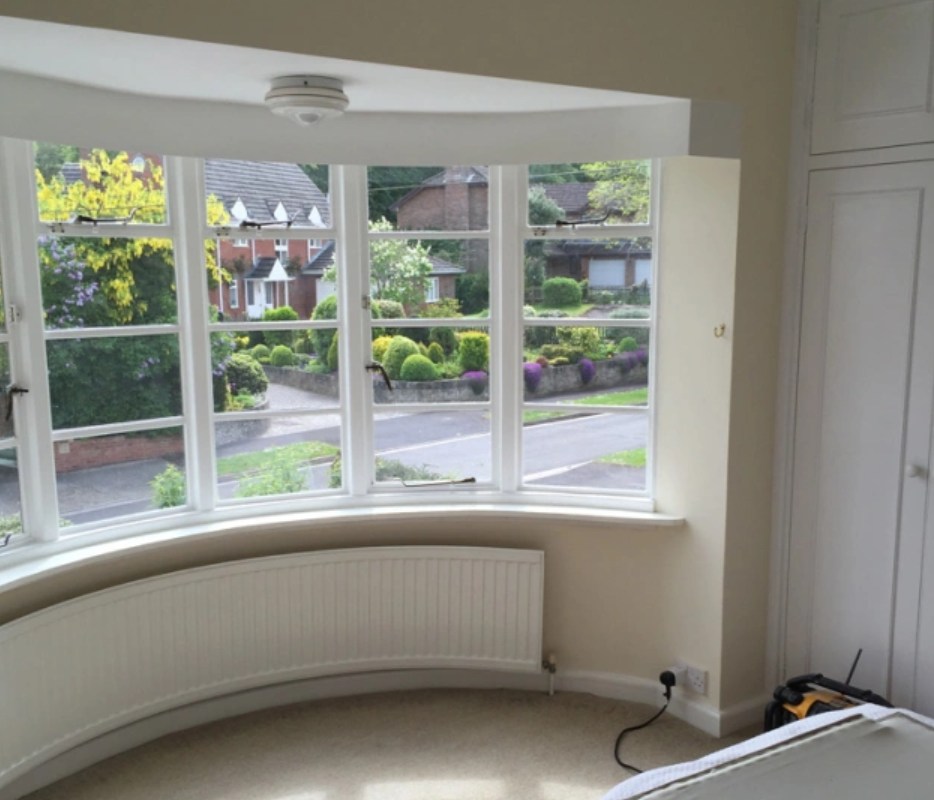
This bedroom in Southampton has been refreshed with a clean and cohesive colour scheme. The ceilings were painted a bright white, while the walls received a calming neutral tone. All the woodwork, including the window frame, was finished in a…
Read MoreConcrete floor Painting
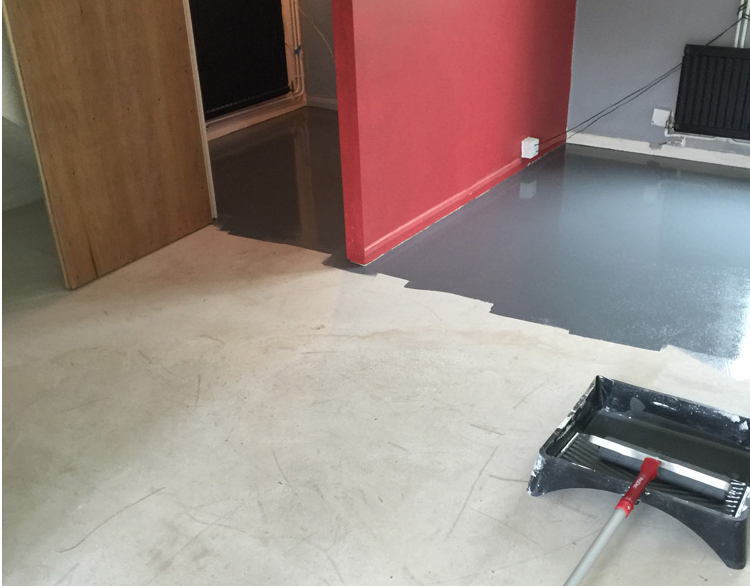
This concrete screed floor in Southampton has been painted a sleek grey with a noticeable high-gloss finish. Despite the application of three coats of paint, the uneven surface of the original screed is still visible, showing through the glossy sheen.
Read MoreFront porch area refurbished
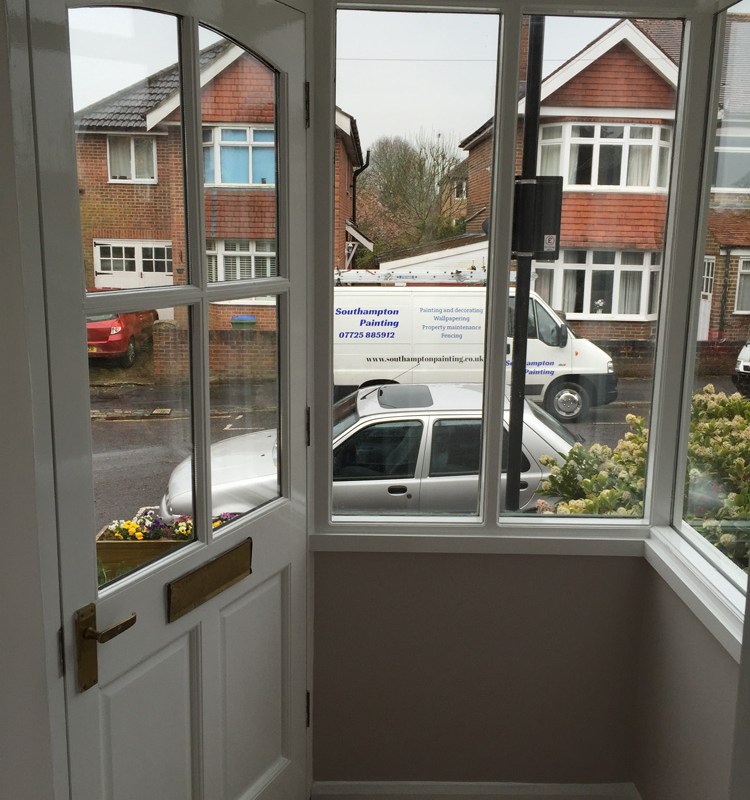
The walls in this project underwent a multi-stage painting process. First, Coovar anti-damp paint was applied as a preventative measure. A mist coat of emulsion then followed, acting as a bridge between the specialist paint and the final colour. The…
Read MorePainting of a hall, stairs, and landing
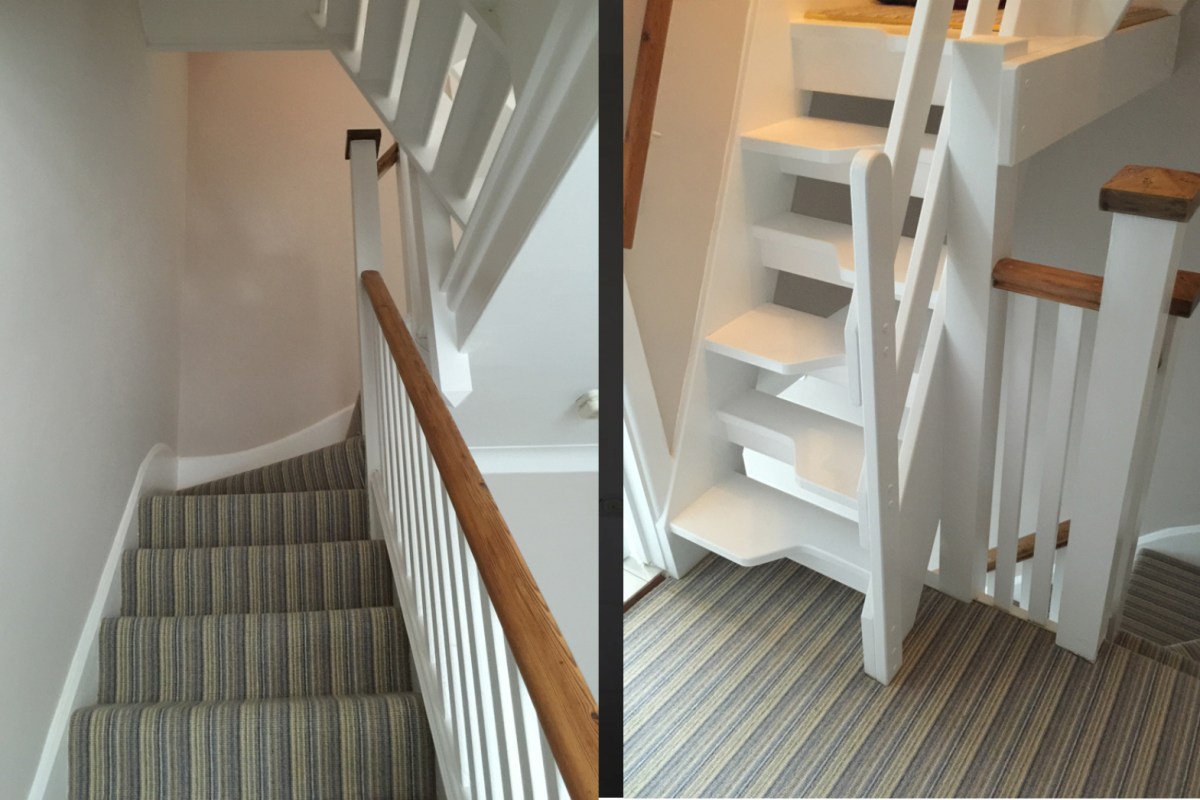
The three-level hall, stairs, and landing in this Southampton residence have been redecorated with a clean and consistent finish. Matt emulsion was used on the walls and ceilings, complemented by a satin top coat on all woodwork. The bathroom was…
Read MoreNew facia boards fitted in Fareham
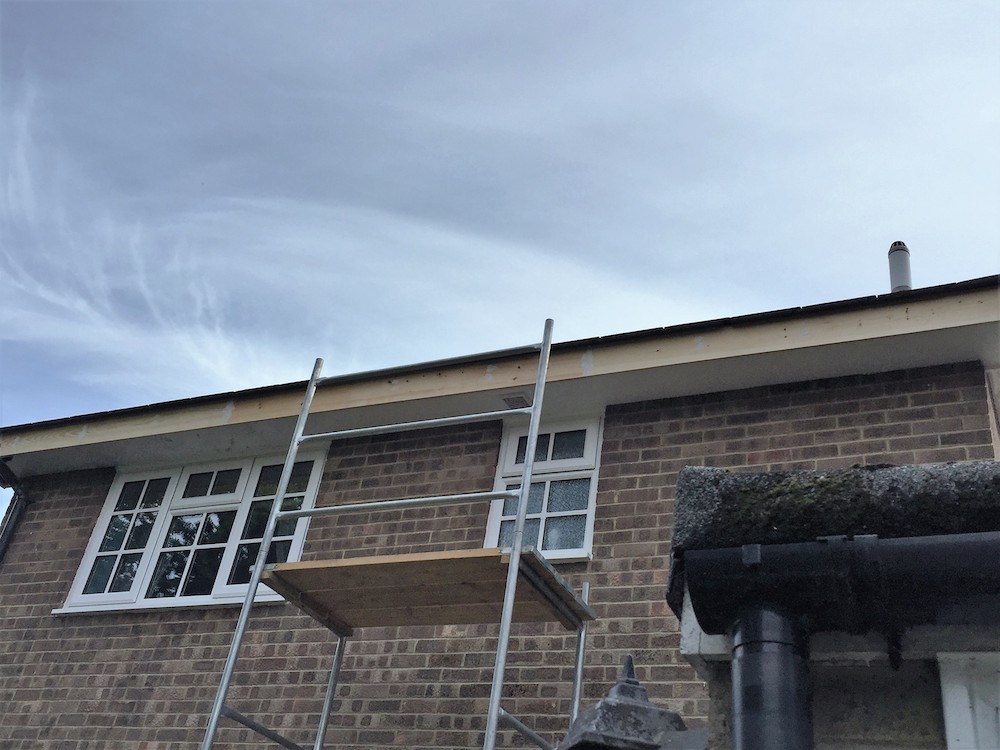
The project involved replacing rotten timber after removing old paint, necessitating the removal of the old facia board. New facia boards were secured with screws, filled, and treated against sap bleed. They were primed, undercoated, and finished with flexi gloss. New gutters and brackets were added afterward by Southampton Painting.
Read More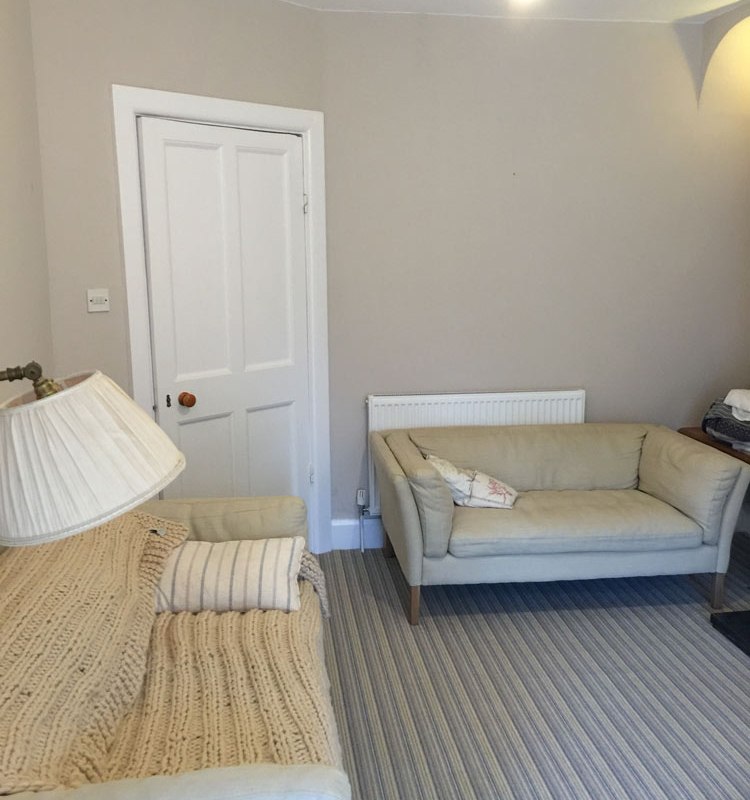
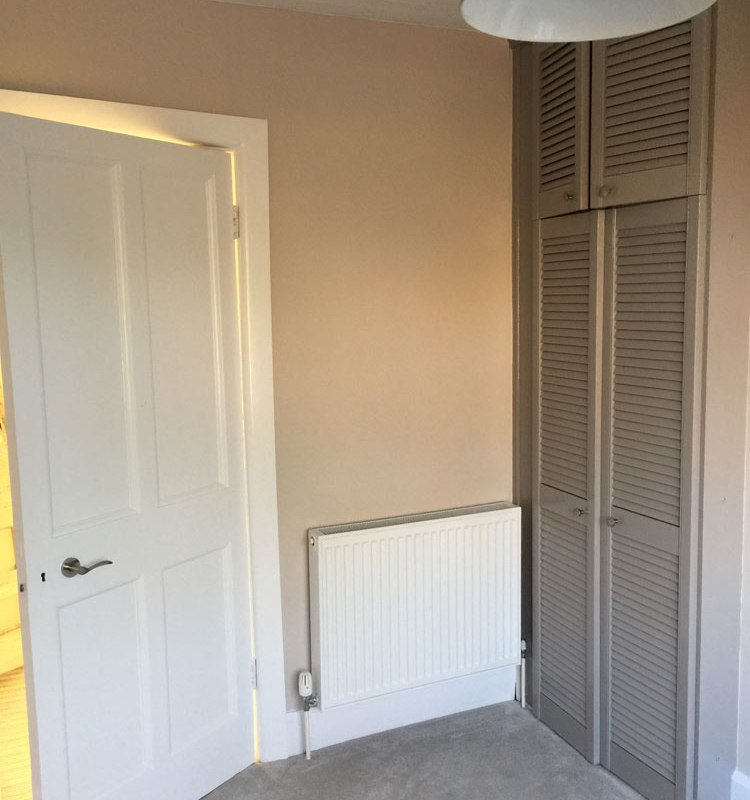
Painting an interior in Southampton
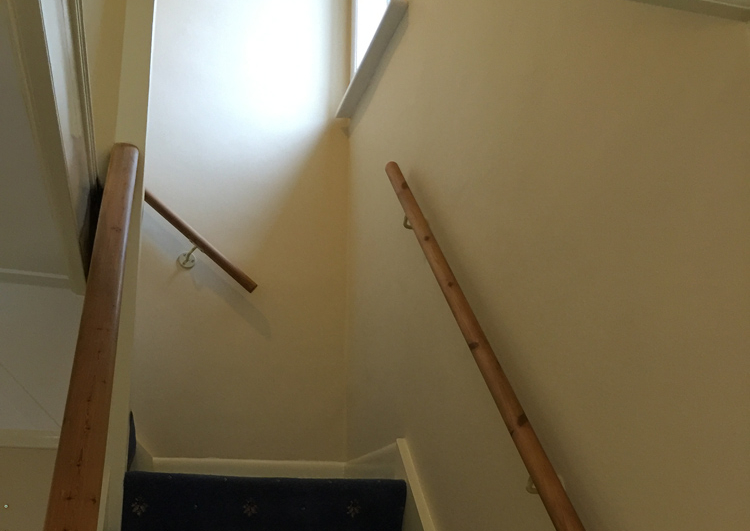
The room has undergone renovations, resulting in a refreshed and brighter atmosphere with lighter colors. The new paint enhances the desired style and mood, creating an inviting space. Professional painters ensure the area is clean and tidy, with dust sheets removed and furniture returned, while masking tape is carefully taken off.
Read MoreComprehensive Redecoration of a Victorian House in Southampton
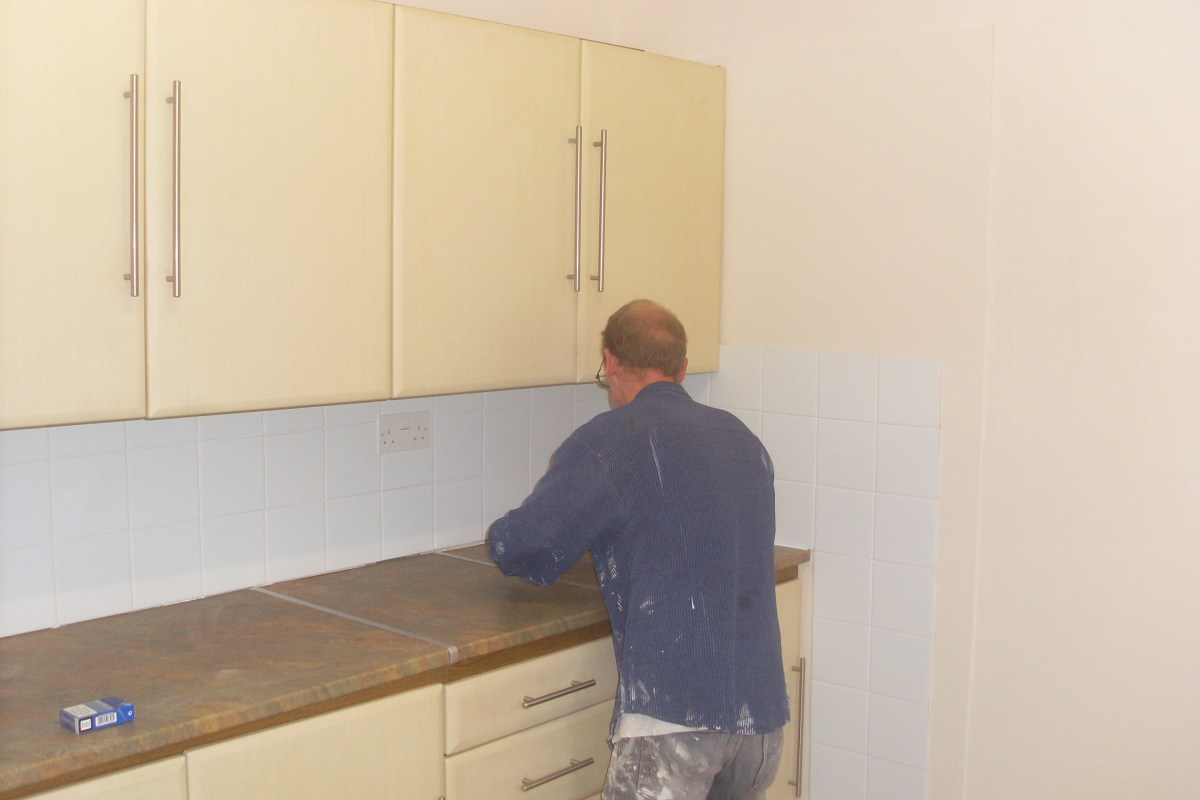
This Victorian residence underwent a comprehensive interior refurbishment, improving both structure and aesthetics. Key updates included new woodwork, loft access, skirting boards, and a bathroom ceiling. A cohesive look emerged through neutral paint, a fitted second-hand kitchen, and embossed wallpaper, revitalizing the property while preserving its original character.
Read MoreTransparent wood finishes

The Rise of Transparent Wood Finishes and Imitation Hardwoods: Importance of Testing: Dyes and Wood Stains: Varnishes: Polishes (Traditional Internal Furniture Finishes): Oils: Two-Part Coatings: This detailed information provides a solid foundation for understanding the various options available for enhancing…
Read MoreSpecialized Paint Types for Specific Applications
Specialized paints serve distinct functions beyond standard options. Primers prepare surfaces, undercoats provide a uniform base, and anti-condensation paints mitigate humidity issues. Radiator and fire-retardant paints withstand temperature extremes and enhance fire resistance, respectively. Bituminous paint is primarily for waterproofing, presenting challenges when overpainted. Selecting the right paint is essential for optimal results.
Read MoreUnderstanding Gloss Paints for Woodwork

Traditionally, gloss paints have been oil-based, incorporating resins to achieve a hard-wearing and durable finish. While some excellent oil (solvent) based gloss paints remain available, the market now also offers high-performing water-based alternatives. Exploring Emulsion Paints for Interior Surfaces Modern…
Read MoreBasic essentials for a good finish on the redecoration of a room (Part5)
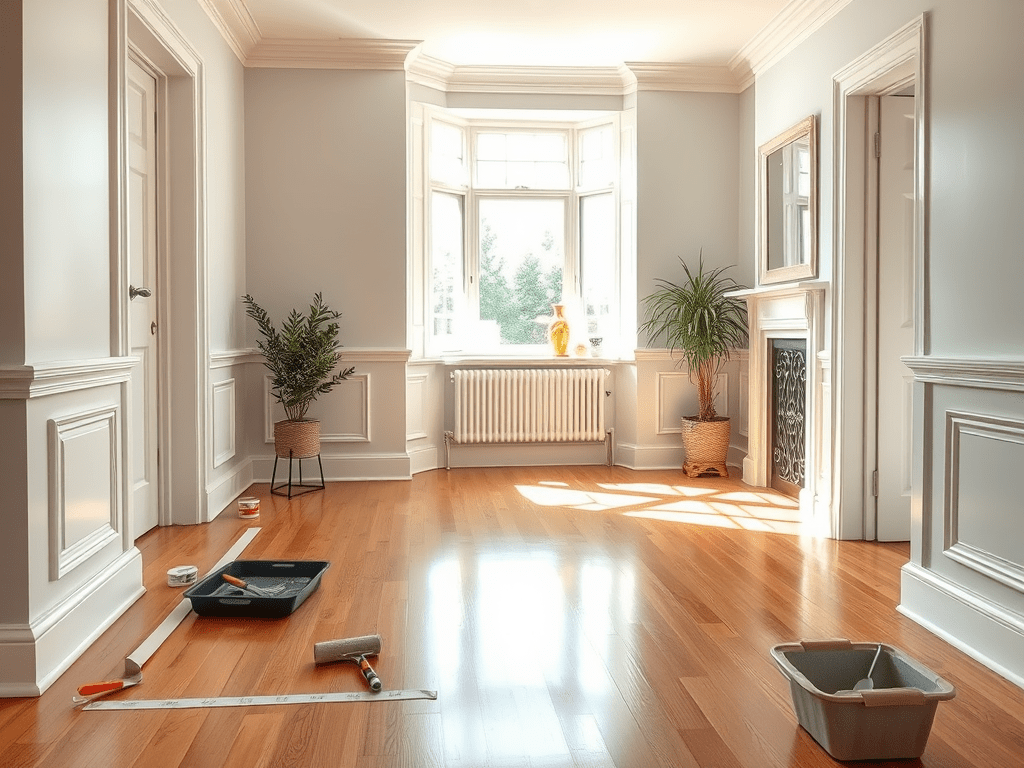
The content describes the process of painting woodwork, emphasizing essential steps such as cleaning rollers, choosing paint, and preparing surfaces. It outlines the application of an oil-based undercoat followed by sanding and applying a gloss topcoat. Techniques like masking edges and “laying off” paint are also highlighted for a professional finish.
Read MoreBasic essentials for a good finish on the redecoration of a room (Part4)
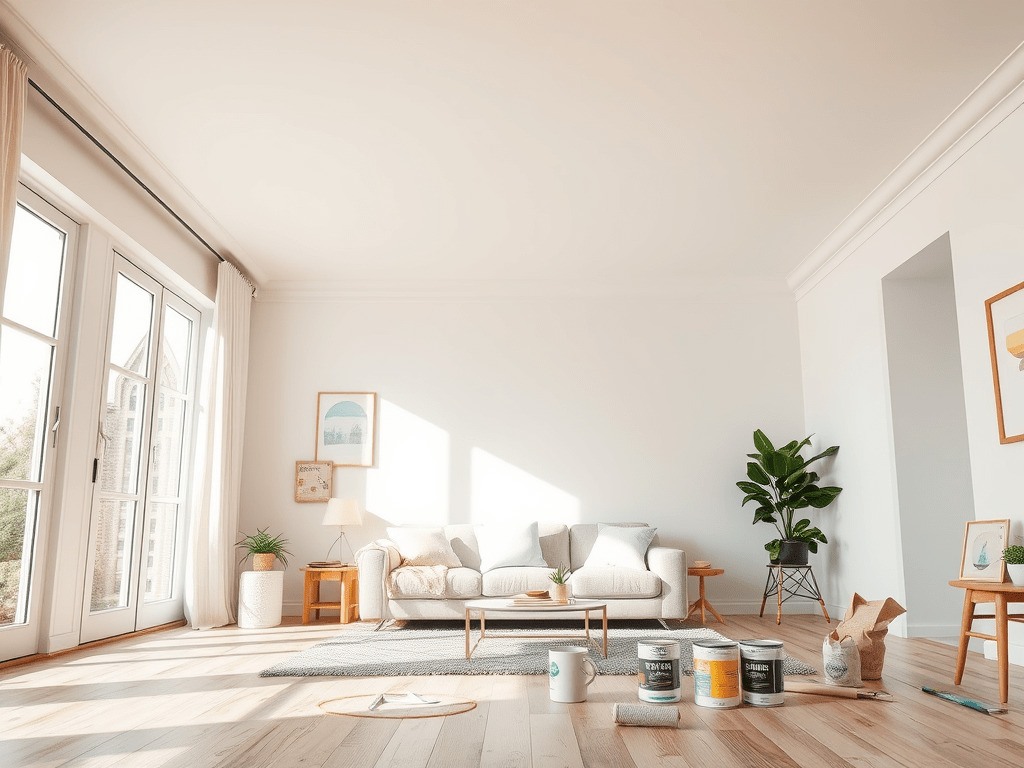
Step 4 focuses on applying paint to walls after preparing and painting the ceiling. Start with a thin coat for filled areas, then carefully paint reveals, edges, and around fixtures. Use a roller with an “W” or “M” motion for main areas, ensuring even coverage. Assess the need for a second coat before final touches.
Read MoreBasic essentials for a good finish on the redecoration of a room (Part3)
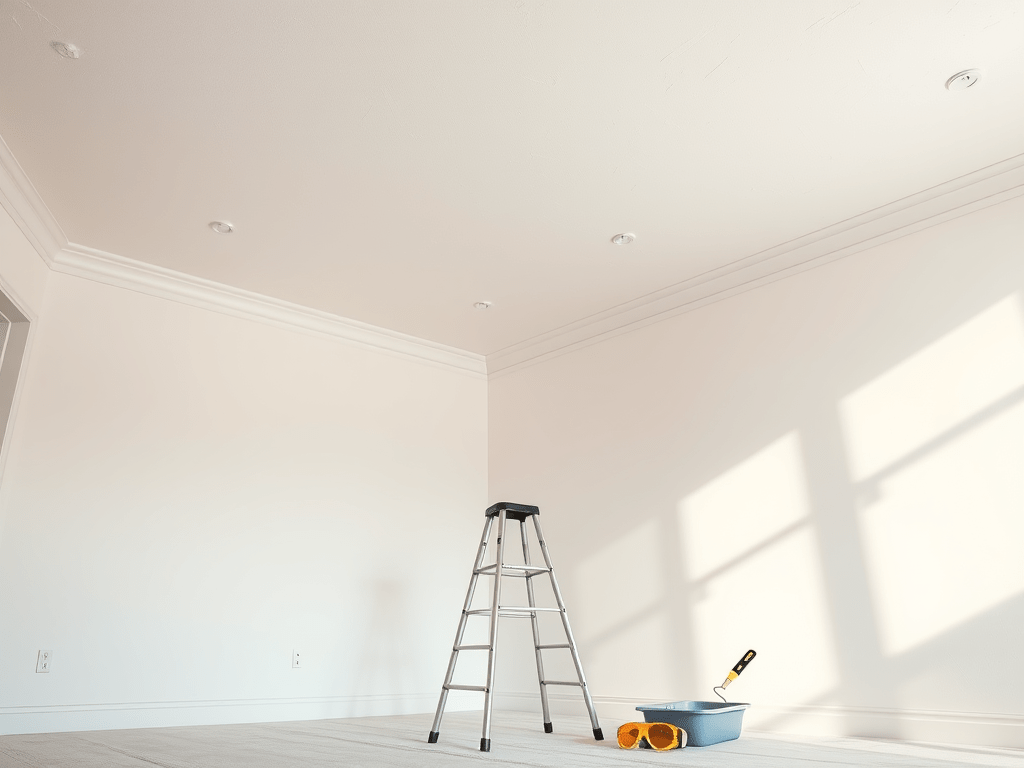
This guide outlines the essentials and techniques for painting a ceiling. Key tools include a roller, paint, brush, and goggles. Start by cutting in edges, then use a roller for the main area, applying paint in manageable sections and laying off for a smooth finish. Assess for a second coat if necessary.
Read MoreBasic essentials for a good finish on the redecoration of a room (Part2)
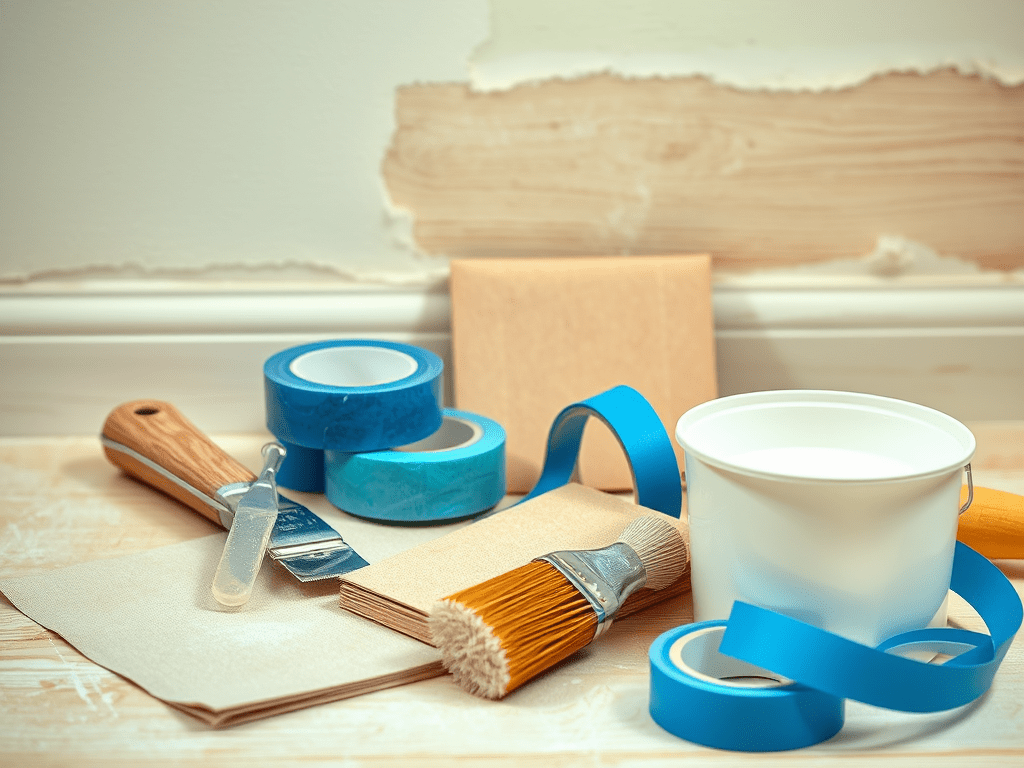
Step 2: Laying the Groundwork for a Smooth Finish – Preparing Surfaces With your room safely protected, it’s time to turn our attention to the surfaces themselves. Proper preparation of the walls, ceiling, and woodwork is paramount for a flawless…
Read MoreBasic essentials for a good finish on the redecoration of a room (Part1)
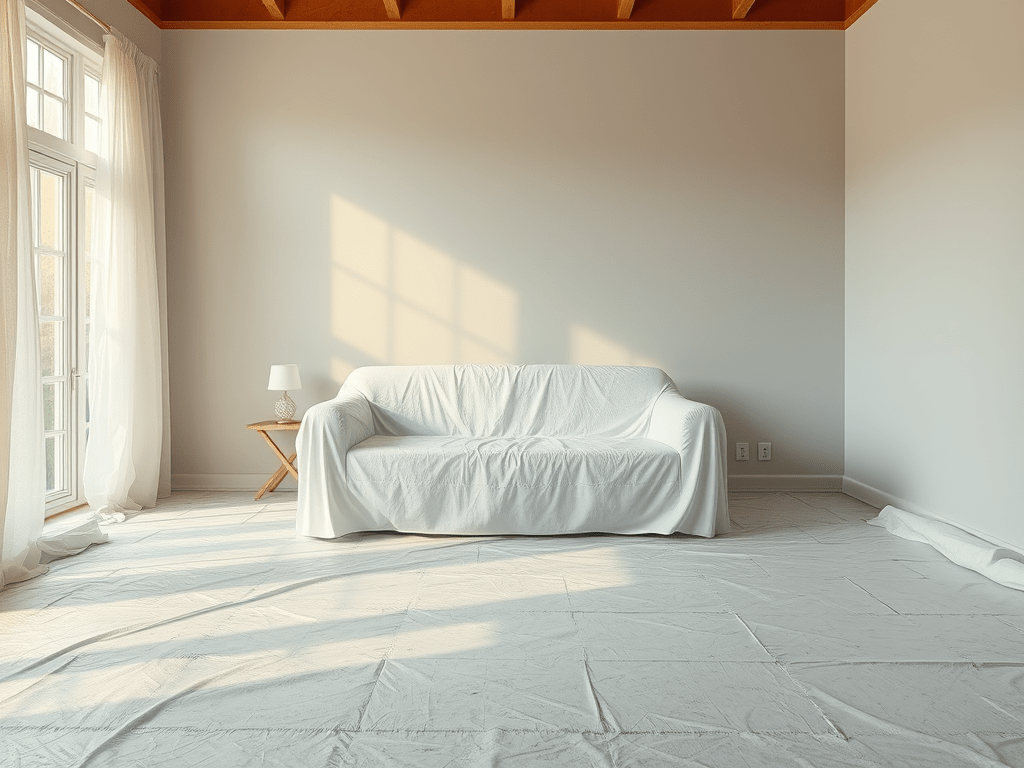
A successful paint job relies on proper preparation before applying any color. Essential steps include protecting your space by covering floors and furniture with plastic sheeting and cotton dust sheets to prevent spills. This groundwork is vital for ensuring a high-quality finish and the longevity of your redecoration efforts.
Read More












 Carpentry Services Southampton